Blog ·
How to Maintain Perfect Food Temperatures Throughout Your Catered Event
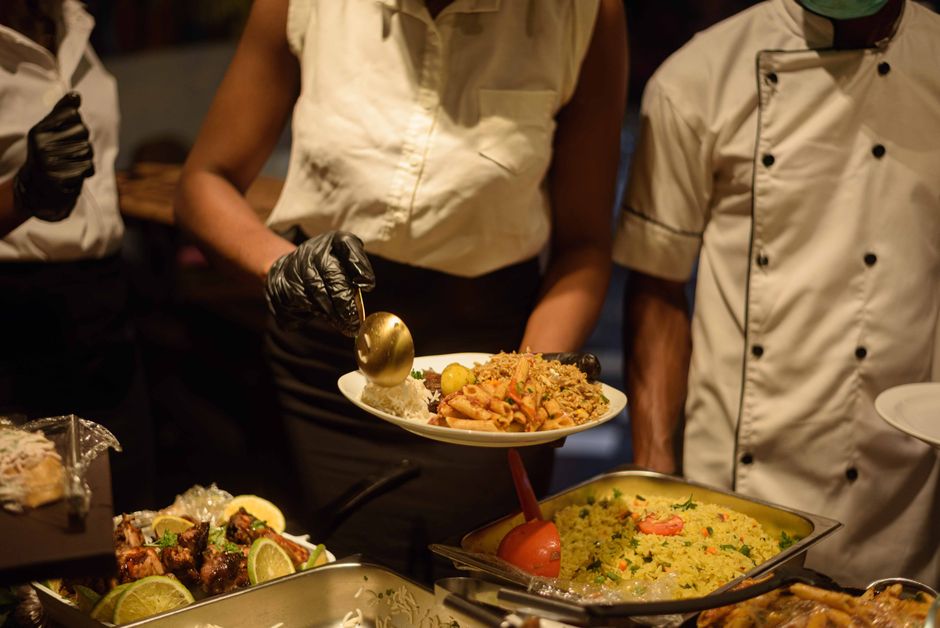
When you invest in professional catering for your wedding, corporate function, or special event, you want every dish to arrive at your guests' tables in perfect condition. Proper food temperature management is essential not only for food safety but also for preserving the flavors and textures that make your meal memorable.
For hot foods, maintaining temperatures above 140 degrees Fahrenheit is critical. Our kitchen team prepares plated dinners and buffet items specifically with holding times in mind, but how these dishes are presented at your venue matters too. Chafing dishes with heat sources beneath them keep foods warm throughout service. For corporate catering events with longer serving windows, we recommend ensuring adequate heating elements are positioned correctly—ideally with water baths rather than direct flame for even, gentle heat distribution.
Cold foods require equally careful attention. Salads, appetizers, and chilled sides should remain below 40 degrees Fahrenheit. During outdoor events, this is particularly important. We advise placing cold platters on ice-filled bases or in refrigerated display cases, especially if your event extends several hours. Replenishing ice regularly prevents bacterial growth and keeps your guests safe while maintaining that crisp, fresh quality everyone expects.
Timing is everything in catering logistics. When you're hosting a wedding reception or large corporate function, coordinate with our catering team about when each course will be served. This allows us to plate dishes at precisely the right moment—hot items prepared just before service, cold items maintained at peak freshness. For bespoke event catering where you've customized your menu, these logistics become even more important as different dishes have different optimal serving temperatures.
Your venue layout affects temperature control too. Ask about the distance from the kitchen to serving areas. Longer distances mean better insulation of hot dishes and more frequent ice replenishment for cold items. If you're using a tent or outdoor space, consider weather conditions. Summer events may require additional cooling strategies, while winter events need extra heating elements.
One often-overlooked detail involves the serving vessels themselves. Our team warms plates before plating hot entrees—this keeps food warmer longer. Cold plates for cold appetizers provide the same benefit in reverse. It's these small touches that distinguish excellent catering from merely adequate service.
Don't hesitate to discuss temperature management when planning your menu. Whether you're selecting buffet catering with self-service elements or opting for elegant plated dinners where our staff maintains control, proper temperature maintenance is built into our service standards. Your catered event's success depends on food that looks, tastes, and feels exactly as intended when it reaches your guests.